How To Prepare For An Appointment At Hearing First Kingston
Article Revised - 07/08/2026 07:53
Waxfree Guarantee™: The only ear wax removal clinic in Kingston offering the Waxfree Guarantee™.
We’re the only specialist microsuction ear wax removal clinic in Kingston-upon-Thames providing Microsuction Earwax Removal and Manual Instrument Earwax Removal by our expert Audiologists. All of our earwax removal practitioners are hand-picked by our founder, Jason Levy. We really are the ear wax removal experts in Kingston.
Our convenient location in Kingston, Southwest London, also serves Kingston-Upon-Thames, Tolworth, Thames Ditton, East Molesey, West Molesey, Hersham, Claygate, Chessington, Hampton Wick, New Malden, Norbiton, Worcester Park, Bushey Park, Teddington, Twickenham, Sunbury-on-Thames, Cobham, Oxshott, Stoke D’Abernon, Stoneleigh, Ewell, Epsom, Leatherhead and Feltham.
Getting Ready for Your Hearing First Kingston Appointment
When you prepare properly for a hearing appointment, the consultation feels calmer, faster and more useful. Start by thinking about why you have booked, whether that is ear wax removal, a hearing test, microsuction, or impartial hearing aid advice. Jot down the main symptoms, such as muffled hearing, ear fullness, tinnitus, pain, dizziness, or difficulty following speech in meetings and restaurants. It also helps to note how long the problem has been present, whether it affects one ear or both, and if anything makes it better or worse. If you use hearing aids, bring them with you, along with any batteries, chargers, or domes, because this gives the audiologist a fuller picture of your hearing care needs. A little preparation can make your appointment at Hearing First Kingston more focused, and it helps the clinician explain the next step in plain language.
What to Note Before You Arrive
- Write down your main concern in a sentence or two, so you can explain it quickly and clearly at the start of the appointment.
- List any recent changes in hearing, ear pressure, blocked sensation, or ringing, because small details often point to the right assessment.
- Bring previous audiology reports, GP letters, or hearing aid paperwork if you have them, as they can support a more accurate review.
- Think about the situations where hearing is hardest, such as phone calls, work meetings, family meals, or watching television at home.
- Make a short list of questions about microsuction, manual removal, testing, or hearing aid fitting, so nothing important gets forgotten.
What to Bring for Ear Wax Removal or a Hearing Test
It is worth packing a few simple items before you come in. For most people, the essentials are a list of symptoms, any current medication, and a clear idea of the ear problems you want checked. If you have had recent ear infections, a perforated eardrum, ear surgery, or unexplained pain, tell the audiologist at the start, because that information may affect which ear wax removal method is suitable. If your appointment is for a hearing test, bring your current glasses if you use them for reading, since you may need to look at consent forms or test instructions. For people considering hearing aids, it is useful to bring a companion if you want a second opinion, especially when discussing lifestyle needs, rechargeable options, or discreet devices. Good preparation helps the appointment stay practical and ensures the audiologist can advise on the safest and most appropriate next step.
Documents and Details That Can Help
- Any recent audiogram or test result, because it shows whether your hearing has changed over time and helps with comparison.
- A list of prescription medicines, particularly if you take anticoagulants or medicines that may affect bleeding, balance, or ear health.
- Names of previous clinics or hospitals involved in your ear care, so the audiologist can understand your treatment history quickly.
- Information about ear drops, sprays, or home treatments you have already used, including how often you used them and whether they helped.
- Questions about follow-up care, hearing protection, or future checks, especially if you want a long-term plan rather than a one-off visit.
Tip for Parents and Guardians
If the appointment is for a young person aged 12 to 17, make sure a parent or guardian can attend and help answer questions about symptoms, school listening difficulties, and previous ear problems. This is especially useful when the visit may involve microsuction ear wax removal or a hearing assessment.
How Must Does Ear Wax Removal in Kingston Cost?
Published Payment Methods
- Credit cards
- Debit cards
- Contactless or NFC payments
Payment information may change. Confirm prices, insurance eligibility and accepted methods directly with the provider. Place attributes are provided by Google Maps.
how far in advance the booking, at peak or off-peak times, and Ear wax removal in Kingston starts at £34. Pricing can vary if it is one or two ears is made.
20 Interesting Facts About Kingston
- Pre-Raphaelite Muse
The Hogsmill River in Kingston-upon-Thames inspired John Everett Millais’ 1852 painting Ophelia. He sketched its banks for the iconic Shakespearean scene, though locals joked the model (floating in a bathtub) “looked more like a drowned librarian than a tragic heroine.” - Birthplace of Modern Football?
Kingston-upon-Thames hosted early Football Association meetings in the 1860s. The 1863 “Kingston Rules” draft, lost in a pub fire, allegedly proposed banning headers—a rule later scrapped to the relief of footballers everywhere. - Alice in Wonderland’s Local Link
Reverend Edwin Dodgson, lived in Kingston-upon-Thames. Carroll visited often, Lewis Carroll’s brother, and locals claim the town’s maze-like alleys inspired theAlice books’ whimsical settings. - Ear Wax Removal in Kingston
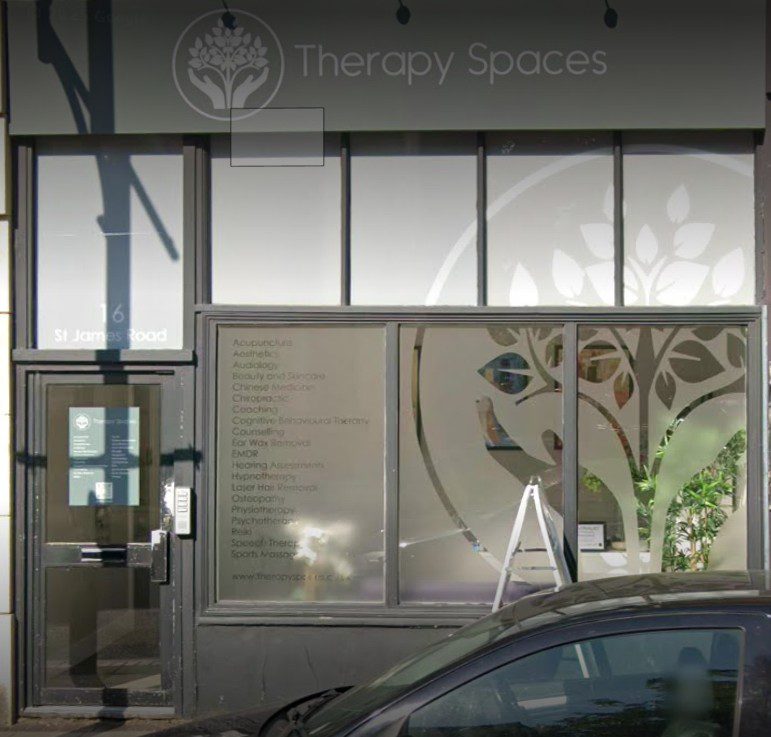
Ear wax removal is available from the experts at Hearing First Kingston on Mondays in Therapy Spaces on St James’ Road, just a couple of minutes’ walk from Surbiton station in KT6. Click here to book now. - Britain’s Oldest Phone Box
A rare 1926 K1 telephone box stands outside Kingston-upon-Thames’s Guildhall—the oldest surviving model in the UK. Residents fought to preserve it in 2010, dubbing it “the red guardian of gossip.” - Ghost Trams of Kingston
drivers swear phantom “clangs” echo near Eden Street—especially on foggy nights. and Kingston-upon-Thames had electric trams from 1906–1931. Old tracks occasionally resurface during roadworks - First Waitrose Store
Waitrose opened its first-ever shop on Kingston-upon-Thames’s Bentall Centre site in 1904. It sold “fancy groceries” to wealthy residents, including quail eggs and truffles—a far cry from today’s meal deals. - Viking Raid Survivor
In 1009, Viking longships raided Kingston-upon-Thames, burning Saxon homes. A 2022 dig near the Thames uncovered charred wheat grains and a melted silver brooch—proof of the town’s fiery past. - Scandalous Novelist’s Hideout
John Cleland wrote Fanny Hill (1748), one of England’s first erotic novels, while living in Kingston-upon-Thames. Authorities banned it, but pirated copies circulated via the town’s clandestine printers. - Surbiton Lagoon’s Secret Twin
Before Surbiton’s lido, Kingston-upon-Thames had its own riverside bathing spot at Tagg’s Island (1890s). Nicknamed “The Floating Spa,” it sank in 1914 after a champagne-soaked party overloaded the pontoons. - London’s Only Chalk Stream
The Hogsmill is one of London’s rare chalk streams, home to endangered water voles. Kingston-upon-Thames’s “Vole Patrol” volunteers track them, joking about rodent “celebrities” with names like Vinnie the Vole. - Trailblazing Female Mayor
In 1906, Elizabeth Cox became Kingston-upon-Thames’s first female mayor. She banned corsets at council meetings, declaring them “a barrier to clear thinking and deep breathing.” - Occultist’s Suburban Lair
Aleister Crowley, the “Wickedest Man in the World,” lived in Kingston-upon-Thames in 1918. Neighbors complained about midnight rituals, but his diary just noted: “Baked scones, summoned Beelzebub. Rain ruined both.” - WWI Zeppelin Panic
In 1915, a German Zeppelin bombed Kingston-upon-Thames, damaging the Bentalls store. No one died, but the “Great Underwear Explosion” left lingerie floating over the Thames for days. - Queen Victoria’s Stone Snub
In 1887, a replica Coronation Stone was made for Victoria’s Jubilee—but she refused to sit on it, calling it “a lumpy relic.” It’s now in Kingston-upon-Thames’s All Saints’ Church, ignored by royalists and pigeons alike. - Saxon Gold Hoard
A 2021 metal detectorist uncovered a 7th-century Saxon burial site near Kingston-upon-Thames, including a gold belt buckle and spearheads. Archaeologists dubbed it “Kingston’s Sutton Hoo,” minus the ship. - Bentalls’ Christmas Spectacle
In 1955, Bentalls debuted London’s first animated Christmas window display. Crowds flocked to Kingston-upon-Thames to see robotic elves, causing traffic jams so bad the army was called in—twice. - Chess Championship Chaos
Kingston-upon-Thames hosted the 1897 British Chess Championship. A player stormed out after losing, hurling his king into the Thames. The piece washed up weeks later, rusted but still regal. - The Omen’s Local Curse
Parts of The Omen (1976) were filmed in Kingston-upon-Thames. Crews reported eerie mishaps, including a sudden hailstorm during the “Damien’s birthday” scene—locals blame Satan, not Surrey’s weather. - Kingston Flyer’s Steam Revival
The “Kingston Flyer,” a 19th-century steam train, once shuttled day-trippers to Hampton Court. Restored in 2023, it now runs themed “Murder Mystery” rides where passengers solve faux crimes—with tea and scones included.
How to Prepare Your Ears Safely Before the Visit
Before ear wax removal, it is best to avoid putting anything into the ear canal. Cotton buds, hair grips, olive oil drips used without guidance, and home irrigation kits can all make matters worse or irritate sensitive skin. If you have been advised to soften wax, follow the clinic's guidance carefully and only use products that are suitable for your situation. Do not try to clean deep inside the ear yourself. That can push wax further in and make microsuction more difficult. If one or both ears are painful, you have had a recent cold with blocked ears, or you suspect infection, mention this when you arrive. The audiologist needs that information before deciding whether manual instrument removal, microsuction, or another approach is the safest option. A cautious approach protects your hearing, reduces discomfort, and helps the appointment go smoothly.
Simple Do's and Don'tS Before Ear Wax Removal
- Do keep the outer ear clean and dry, because a tidy ear entrance makes examination easier without disturbing the canal.
- Do follow any pre-appointment advice you were given about softening wax, as this can sometimes improve the chances of successful removal.
- Don't insert cotton buds or other tools, because they often compact wax and can scratch the ear canal lining.
- Don't use ear drops if you have been told to avoid them, particularly if you have ear pain, discharge, or a suspected perforation.
- Do arrive prepared to describe any balance problems, pressure, or clicking sounds, since these details may influence the assessment.
When to Pause and Ask for Advice
If you notice discharge, sudden hearing loss, severe pain, or dizziness before your visit, contact the clinic for guidance rather than trying to manage the problem yourself. Those symptoms can change the safest course of action and may need a different clinical approach.
Safe, Comfortable Ear Wax Removal with an Audiologist in Your Local Area
their care and Your ears and hearing are delicate should be in expert hands. Some providers delegate ear wax removal to lay people, viewing it as a routine procedure. However, we believe it requires the skill and expertise of a trained Audiologist.
only qualified Audiologists perform ear wax removal, ensuring that your ears are cared for by a specialist with in-depth knowledge of ear anatomy and physiology. This minimises the risk of injury and ensures a safe, At our clinic, we, and effective procedure tailored to your needs. Your hearing is too important to leave to chance are committed to providing the highest standard of care.
Hearing First Kingston – Microsuction Ear Wax Removal Kingston Kt6 Map
Preparing for a Hearing Test at Kingston
A hearing test works best when you arrive ready to talk honestly about how you hear in everyday life. Before the appointment, think about real situations that feel difficult, such as understanding speech in background noise, keeping up with fast talkers, or hearing alerts and alarms. If you already wear hearing aids, bring them and be ready to say how well they are working, whether the batteries or charger are reliable, and if the fit still feels comfortable. It is also sensible to list any noise exposure from work, music, machinery, or hobbies, because that history can be relevant to an audiological assessment. Hearing test results are easier to explain when the audiologist has a clear view of your daily listening demands, not just the test numbers. This kind of preparation supports a more useful conversation about diagnosis, management, and any next step.
Questions Worth Asking During the Assessment
Ask how the results relate to your day-to-day listening, whether your hearing loss pattern suggests a particular cause, and what support would be most sensible next. If hearing aids are discussed, ask about visibility, rechargeability, Bluetooth connectivity, and how the devices would suit your routine.
Keep Your Answers Specific
The more precise you are, the easier it is for the audiologist to match advice to your needs. Saying that the television is too quiet is helpful, but saying that speech sounds unclear in the evening when several people are talking is even better.
Quick Listening Diary Tip
For a few days before you attend, note one or two examples of listening difficulty each day. That small record can reveal patterns you might otherwise forget.
Why This Helps the Clinician
A short diary gives context to the audiogram and helps the audiologist see whether the main issue is clarity, volume, earwax, or a combination of factors. It can also support better hearing care planning.
How to Prepare If You Want Hearing Aid Advice or Fitting
If your appointment is about hearing aids, preparation should focus on your lifestyle and listening habits. Think about where you struggle most, whether that is at work, in small group conversations, on the telephone, or while travelling. Consider whether you want discreet devices, rechargeable models, Bluetooth features, or iPhone-compatible hearing aids, because these preferences will guide the discussion. It is also useful to be clear about what you want from a hearing solution, for example easier conversation, better TV sound, or less listening effort at the end of the day. An independent audiologist can explain options without being tied to one manufacturer, which means the advice can be shaped around your hearing profile and routine. Coming in with realistic expectations and a few priorities makes it easier to compare models and understand what each device can and cannot do.
Make Your Priorities Easy to Compare
| What to think about | Why it matters |
|---|---|
| Comfort and fit | Hearing aids should feel secure, sit comfortably behind or inside the ear, and suit how often you will wear them. |
| Charging or batteries | Rechargeable hearing aids may suit busy routines, while battery-powered models can suit people who want a simple swap-and-go approach. |
| Connectivity | Bluetooth and smartphone compatibility can make calls, music, and TV audio easier to manage. |
| Appearance | Some people prefer invisible designs, while others are less concerned about visibility than ease of handling. |
| Aftercare | Ongoing adjustments, cleaning, and follow-up support are important if you want the best long-term result. |
Be Honest About Your Routine
If you only wear glasses sometimes, travel often, or have limited dexterity, say so. Those details can affect which device will be simplest to use day to day.
Services We Offer Are:
- Microsuction Ear Wax Removal
- Manual Instrument Ear Wax Removal
- Under 18 Microsuction Ear Wax Removal: We provide microsuction ear wax removal for age 12-17 when accompanied by a parent or guardian.
- Hearing Tests: We can test your hearing and explain the meaning of your test results – We are not part-owned by a hearing aid manufacturer, so unlike some High Street chains, we won’t offer you a “free” hearing test and then push you to buy hearing aids.
- Impartial Hearing Aid Advice, Supply, Fitting and Aftercare: If you want friendly, impartial advice, we are an independent company that is not part-owned by a hearing aid manufacturer, so we can advise you on which model will be the most appropriate, given your unique lifestyle requirements. We provide all the latest digital invisible, rechargeable, bluetooth and iPhone-compatible hearing aids.
Hearing First Kingston
Located within Therapy Spaces,
URL: https://www.hearingfirst.co.uk/book-ear-wax-removal-near-me/book-microsuction-ear-wax-removal-kingston/
Professional ear wax removal Kingston Audiologists. Conveniently located in Back 2 Well-Being health clinic, with free on-street parking. We are the only ear wax removal clinic in Kingston that offers The Hearing First Waxfree Guarantee™ , so if you have a blocked ear, book an appointment at our ear wax removal Kingston clinic. We really are the ear wax removal experts in Kingston!
Preparing for Your Kingston Hearing Appointment
Before your appointment, take a moment to consider the support you need, whether that is ear wax removal, a hearing test or advice on hearing aids. Describing symptoms such as a blocked ear, changes in hearing or discomfort can help the Audiologist understand why you have booked and guide the conversation towards the most suitable service.
If the appointment is for a young person aged 12 to 17, ensure that a parent or guardian can attend with them. For hearing concerns, it can also be useful to think about the listening situations that matter most to you, such as conversations, television, telephone calls or busy social settings. This practical context can make hearing test results easier to discuss.
Hearing First Kingston offers microsuction ear wax removal and manual instrument ear wax removal, alongside hearing assessments and impartial hearing aid guidance. If you are unsure which appointment is appropriate, contact the clinic before booking and explain your circumstances. Arriving ready to ask questions can help you make a confident, informed decision about your ear and hearing care.
What to Expect on the Day at Hearing First Kingston
Research Catalogue Results for Ear Wax Removal
- The auricular cough reflex: lateralization, prevalence, procedural determinants, and the role of examiner handedness. - van de Loo J, Mayer M, Sharaf K, Eckel H, Jansen L, Klussmann JP, Luers JC., 2026.
- High-definition otoscopic device for humanitarian mission: how i do it. - Lechien JR, Maniaci A, Kipsang MJ, Kibor M, Vaira LA., 2025.
- Use of Castor Oil in Dermatology: A Narrative Review. - Girdler K, Cabatu A, Olds H, Potts GA., 2026.
Source: Europe PMC. These are bibliographic matches, not personalised medical advice or an endorsement of a treatment.
On the day of your appointment, aim to arrive a little early so you can settle in and give yourself time to complete any forms without feeling rushed. Be ready to explain your symptoms clearly, including any blocked ear, hearing changes, earache, tinnitus, or previous treatment. The audiologist may look in your ears first, then discuss whether microsuction ear wax removal, manual instrument removal, a hearing test, or advice on hearing aids is the right route. If wax is present, the clinician should explain what they are doing and what you may feel, which can help reduce anxiety. If the visit is for hearing care, the conversation may include your lifestyle, test results, and the most suitable next step. Clear communication matters, because it helps the clinician deliver safe, personalised ear care and gives you confidence about the outcome.
How to Make the Consultation Easier
- Speak up if you feel anxious, because a good clinician will slow down, explain the process, and check that you are comfortable before continuing.
- Tell the audiologist about any pain, tenderness, or unusual history, since that may influence the method used and the pace of the appointment.
- Ask for plain English explanations of any test result or recommendation, especially if you are being introduced to hearing aids for the first time.
- Confirm what happens after the appointment, including follow-up care, aftercare advice, or whether a further visit may be needed.
- Take notes if you can, because hearing-related information can be easy to forget once the consultation is over.
Aftercare Matters Too
Whether you have ear wax removal or a hearing assessment, follow any advice given at the end of the appointment. That might include keeping the ears dry for a period, using hearing aids gradually, or returning if symptoms do not settle.