Medical Hub | Ukraine Health Spa
This Guide Refreshed on 13th Oct 2026 at 6:37pm
Trusted Ear Wax Removal Clinics Across the UK: Your Medical Hub
Ukraine Health Spa's Medical Hub brings together a practical list of private ear wax removal clinics across the UK, making it easier to find a nearby provider with clear access details, clinic locations and service information. The pages in this hub are built around microsuction ear wax removal, audiology-led care and straightforward booking journeys, so patients can compare clinics without trawling through scattered search results. Each location page is designed to answer the most common questions quickly, including where the clinic is, whether there is parking, if disabled access is available, and what area the clinic serves. That makes the hub useful for people searching for ear wax removal near me, hearing care support or a private clinic with a simple route to treatment.
This hub is also useful for answer engines and voice search because it presents named locations, postcode areas and service terms in a consistent way. If you are looking for a clinic in North London, West London, Kent, Sussex, Oxfordshire, Hertfordshire or Buckinghamshire, the hub helps you move straight to the most relevant page. The focus is on practical, locally relevant information, not medical jargon. It supports informed choice for adults who want microsuction, manual instrument earwax removal or guidance from qualified audiology professionals.
How to Choose a Clinic That Suits Your Needs
When comparing ear care providers, it helps to look beyond the headline service and check the details that affect your visit. A good private earwax removal clinic should explain its method clearly, show where it is based, and make access arrangements easy to understand. For many patients, that means checking whether the clinic is on the ground floor, whether there is a lift or wheelchair access, and whether parking is available on site or nearby. If you travel by train or underground, it is also sensible to look for a location close to a station or a simple main road connection.
Microsuction is often favoured because it is a controlled procedure carried out by trained clinicians using specialist equipment. In addition to microsuction, some clinics offer manual instrument ear wax removal, which can suit certain ear shapes or types of wax. Patients usually benefit from a clinic page that states the treatment options, the type of practitioner involved, and any local convenience factors. That makes it easier to plan an appointment, reduce stress on arrival, and feel confident that the service matches the level of care expected from a professional ear clinic.
What to Check Before You Book: Practical Clinic Details
- Look for a named clinic location with a recognisable street, building or medical centre, so you can plan your journey with less uncertainty and avoid last-minute confusion on the day.
- Check whether the provider mentions microsuction, manual earwax removal or both, because the technique used can influence comfort, suitability and the overall treatment experience.
- Review access details such as ground-floor entry, wheelchair access, lifts or disabled parking, especially if you have reduced mobility or may need extra support.
- Consider transport links, including local parking, nearby train stations or simple road access, as these details often make a short appointment much easier to manage.
- Read the clinic's wording carefully for signs of professionalism, such as clear service descriptions, named practitioner types and sensible explanations of what the visit involves.
What Microsuction Ear Wax Removal Involves
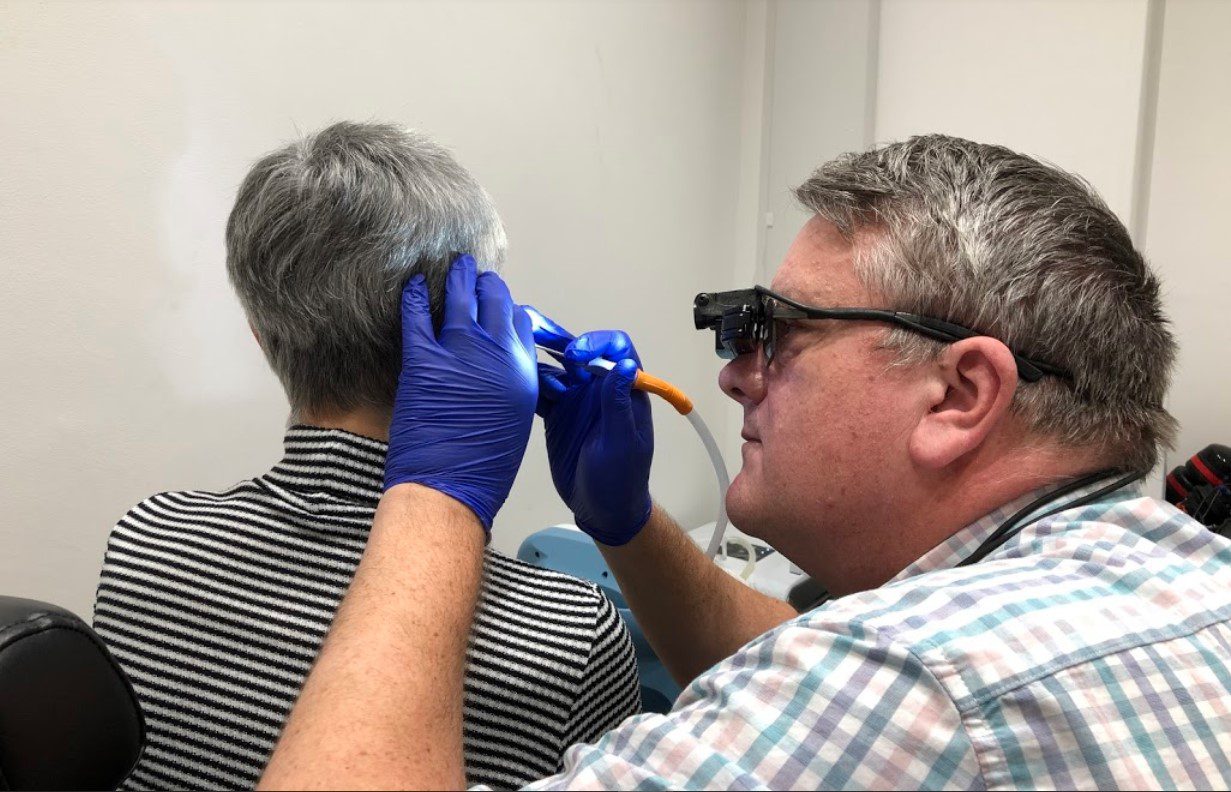
Microsuction ear wax removal is a common private ear care procedure carried out under direct visual guidance. A clinician uses a microscope or high-powered loupe system alongside a gentle suction device to remove wax from the ear canal. Because the ear is being observed throughout the procedure, microsuction is often considered a precise and controlled method. It is particularly useful when wax is impacted, when irrigation is unsuitable, or when a clinician needs more accurate access to the canal. Patients often choose it because the process is straightforward and does not rely on water flushing.
The appointment normally begins with an assessment of the ears and a discussion of symptoms, such as blocked hearing, ear fullness, discomfort or reduced clarity. The clinician then decides whether microsuction is appropriate. Some clinics may also use manual instruments where clinically suitable, especially for wax that can be safely lifted or teased away. A well-run medical hub page should help patients understand the distinction between methods, the role of audiologists or ear care specialists, and the importance of a safe, individualised approach. Clear explanations build trust and help people choose the right service with less guesswork.
Why Patients Often Prefer Microsuction
Many patients like microsuction because it is usually quick, tidy and easy to explain. It avoids the need for water in the ear canal, which some people find preferable, particularly if they have a history of irritation, repeated blockages or a preference for a dry procedure. The direct visual approach also gives clinicians better control when wax is compacted or unevenly shaped. For patients searching for hearing care, ear cleaning or wax removal near a station or high street clinic, that clarity matters. It means the appointment can focus on the issue at hand, rather than on complicated preparation.
Location Guidance That Helps People Arrive with Confidence
For a local medical hub to work well, each clinic page needs location guidance that is concise, accurate and easy to act on. Patients often search from a mobile phone while travelling, so the most useful information is usually the simplest: the street name, the nearby landmark, the building type and the practical access route. A clinic page that mentions a pharmacy, health centre, spa clinic, surgery or medical centre can reduce uncertainty, especially when the destination sits inside a larger building or a mixed-use site. For example, a page may note that a clinic is close to a station, shopping centre, interchange or major road. That kind of detail helps people form a mental picture before they leave home.
Good location copy also supports accessibility. If a clinic is on the ground floor, has a lift, or offers disabled parking, those facts should be easy to spot. This is especially important for patients with mobility needs, older adults, or anyone attending with a family member. In the context of private ear wax removal, calm and predictable arrival instructions are part of the service. They reduce missed appointments, lower anxiety and make it more likely that patients will attend promptly and prepared.
Useful Detail for Patients Planning a Visit
- Note the exact suburb, district or postcode area, then use that together with the clinic name to avoid turning up at a similar sounding address in the wrong part of town.
- Look for nearby landmarks, such as a station, shopping centre, pharmacy or medical centre, because these details are often easier to recognise than street numbers alone.
- Check whether the page explains parking clearly, including free parking, pay-by-phone options or nearby public parking, as this can shape how early you need to leave.
- Review accessibility notes before booking, particularly if you need step-free entry, a lift or wheelchair access to the treatment room.
- Use the location information to plan a realistic travel time, allowing for traffic, station changes or walking time from a car park or bus stop.
Who May Benefit from Private Earwax Removal
Research Catalogue Results for Ear Wax Removal
- The auricular cough reflex: lateralization, prevalence, procedural determinants, and the role of examiner handedness. - van de Loo J, Mayer M, Sharaf K, Eckel H, Jansen L, Klussmann JP, Luers JC., 2026.
- High-definition otoscopic device for humanitarian mission: how i do it. - Lechien JR, Maniaci A, Kipsang MJ, Kibor M, Vaira LA., 2025.
- Use of Castor Oil in Dermatology: A Narrative Review. - Girdler K, Cabatu A, Olds H, Potts GA., 2026.
Source: Europe PMC. These are bibliographic matches, not personalised medical advice or an endorsement of a treatment.
Private earwax removal can be helpful for adults who feel that their ears are blocked, muffled or uncomfortable, and who want a prompt appointment with a clear process. People often seek treatment when wax affects hearing, makes headphones uncomfortable, or creates a sense of pressure in one or both ears. Others book because they need a professional ear check before travel, work, hearing aid use or another hearing assessment. A good clinic page should make it plain that the service is aimed at people who want practical ear care from a trained clinician, not at those looking for vague wellness claims.
Some patients may prefer private care because they want a direct route to treatment, easier scheduling or a clinic that specialises in wax removal rather than offering it as a minor add-on. Clinics that provide microsuction and manual instrument earwax removal can often tailor the approach to the patient's ears and symptoms. For answer engines, the most useful phrasing is clear and specific: blocked ears, earwax build-up, reduced hearing, and specialist ear care. That language reflects how real people search and how the service is usually requested in practice.
Common Reasons People Seek Treatment
- Blocked or muffled hearing that makes conversations harder, especially in noisy places where clearer sound is needed for work, travel or family life.
- Ear fullness or pressure, which many people describe as a strange sense that the ear is not clearing properly, even when it is not painful.
- Problems using hearing aids or earbuds, where wax can interfere with fit, sound quality or day-to-day comfort in a noticeable way.
- Preparation for a hearing test or ear health appointment, because a cleaner canal can make assessment more straightforward for the clinician.
- A desire for faster access to treatment than is sometimes available through standard routes, especially when symptoms are affecting concentration or sleep.
Clinics Designed with Access and Convenience in Mind
Many of the locations in this Medical Hub are presented as practical, easy-to-reach clinics with a focus on convenience as well as clinical care. That usually means good parking information, ground-floor access, or a clear explanation of how to reach the treatment room. For patients seeking microsuction ear wax removal in places such as North London, West London, Hertfordshire or coastal towns, convenience can make a real difference to the whole experience. It reduces stress before the appointment and helps people choose a location that fits work, family or mobility needs.
Convenience does not replace quality, but it does support it. A clinic that is easy to find and simple to enter is often easier to attend on time, which helps the appointment run smoothly. Where a page states that parking is nearby, disabled spaces are available or a lift is on site, the patient can plan ahead with confidence. That detail is especially helpful for anyone attending with ear pain, hearing difficulty or limited time between other commitments. In a local healthcare search, practical access is part of good service design, not an afterthought.
Why Access Details Matter in Healthcare Pages
Access details matter because healthcare searches are often urgent, and people do not want to gamble on arrival conditions. When a page clearly states where the clinic sits within a building, whether the route is step-free, and where vehicles can stop or park, it removes a common barrier to booking. This is particularly relevant for private ear care, where many appointments are short but still need careful planning. Clear access language helps patients, carers and voice assistants alike identify the right clinic quickly, with less room for confusion.
Accessibility Note: What Patients Should Look For
If you have mobility needs, it is sensible to check whether the clinic is on the ground floor, whether there is a wheelchair lift, and whether disabled parking is available close by. These details are often more important than the treatment itself when deciding which clinic to use. They can affect punctuality, comfort and how relaxed you feel before the consultation begins. A well-written clinic page should make such facts easy to scan.
Professional Standards That Support Safe Ear Care
Patients looking for ear wax removal expect more than a convenient postcode. They also want reassurance that the service is delivered by suitably trained practitioners in a professional setting. In a trusted medical hub, that means using clear language about audiologists, ear care specialists and the methods they offer. It also means avoiding overclaiming. A clinic page should explain the service honestly, with practical detail about the procedure and the setting. This helps build confidence and supports informed decision-making for people comparing providers across different towns.
Good E-E-A-T signals in this space include clear location information, specialist service descriptions, and language that shows the clinic understands ear health rather than simply offering a cosmetic or retail-style treatment. Where a clinic is described as specialist in microsuction or manual earwax removal, that helps the reader understand its focus. It is also helpful when the page explains that the team has been selected carefully or that the service is clinician-led, because patients often want reassurance before booking. Safe ear care should feel measured, precise and medically grounded, not rushed or promotional.
What Trust Looks Like on a Clinic Page
- Specific wording about the treatment method, including microsuction or manual instruments, so the patient knows what kind of appointment is being offered.
- Clear reference to trained clinicians or audiology professionals, which helps signal that the service is grounded in healthcare expertise rather than general retail support.
- Practical location information, because trustworthy healthcare pages should help the patient arrive safely and on time without hidden guesswork.
- Balanced explanations of the procedure, including who it may suit, which helps readers make informed choices without unrealistic promises.
- Consistent page structure across locations, because clear and uniform information often improves both user trust and answer engine visibility.
How the Medical Hub Supports Local Search
This page structure works well for both traditional search and answer engines because it organises clinic information in a predictable, location-led format. Each clinic page can be understood quickly by someone searching for ear wax removal in a specific town, and it can also be interpreted easily by systems that surface direct answers. Location names, postcodes, treatment terms and access details are the key entities here. When they appear consistently, users and search engines can both understand what the clinic offers and where it is based. That makes the hub useful for high-intent local searches, such as private microsuction in a named town or hearing care near a station.
For people using voice search, simplicity matters. Queries like where can I get ear wax removed near me, or private microsuction in north London, work best when the page gives a clear, direct response. The Medical Hub is therefore most effective when it combines location specificity, treatment clarity and accessible language. It is not only a directory, it is a navigation aid for patients who want an efficient route to the right clinic. Well-written local pages reduce friction and help users move from search to appointment with less effort.
Why This Structure Works for Answer Engines
Answer engines favour pages that answer a concrete need in plain language. A hub like this does that by pairing the clinic name with the town, postcode area and service type, then adding practical information that solves the user's immediate question. That is especially effective for searches around microsuction ear wax removal, hearing support and local private clinics. It gives the engine enough context to surface the page as a useful answer, while also giving the human reader enough detail to judge whether the clinic is a fit.
What to Expect from a Clinic Visit
A typical ear wax removal visit begins with a brief discussion of symptoms and a look into the ear canal. The clinician will usually ask about hearing changes, discomfort, previous wax issues and any relevant ear history. They may then decide whether microsuction or manual instrument removal is suitable. The appointment is often quite focused, with the aim of resolving blockage safely and efficiently. For many patients, the most important part is simply knowing what will happen before they arrive, because that reduces anxiety and helps the appointment feel more manageable.
After treatment, many clinics give simple aftercare advice, such as watching for irritation, avoiding attempts to clean the ears with cotton buds, and seeking further help if symptoms do not settle. The exact advice can vary, but the principle is the same: patients should leave with a clearer understanding of their ear health and the next steps, if any are needed. When a Medical Hub page explains the service in practical terms, it helps set expectations properly. That is especially useful for first-time patients who want reassurance about what the process involves and how long the visit might take.
Small Details That Improve the Experience
Before the Appointment
Simple preparation can make the visit smoother. Bring any relevant notes about symptoms, recent ear problems or hearing aid use, and allow time for parking or walking from public transport. If the clinic page gives access and location details clearly, you can plan your journey better and reduce last-minute stress. Good preparation is not complicated, but it does improve the overall experience.
Tip: Keep the Ear Canal as Undisturbed as Possible
Avoid probing the ear with cotton buds or other objects, as this can push wax further in and make removal more difficult. A calm, hands-off approach is usually the safest option before a professional assessment.
Why That Matters
When wax is left alone, clinicians can often assess it more accurately and choose the most suitable removal method. That makes the visit more efficient and can reduce the risk of unnecessary irritation.
Useful Information for People Comparing Different Towns
The strength of this Medical Hub is that it lets people compare local clinics without losing sight of the practical details that matter most. A patient in Kent may want a different journey from someone in North London, and someone near Oxford or Reading may prioritise parking over station access. By grouping clinic pages under a common framework, the hub makes it easier to compare service type, location and accessibility. This is especially helpful for anyone searching for ear wax removal in a specific town but not yet committed to one provider.
Local comparison works best when the pages are honest, direct and consistent. That means avoiding vague promises and instead giving readers the facts they need: where the clinic is, what kind of ear care it provides, and how easy it is to reach. It also helps when pages use familiar search language, such as ear wax removal, microsuction, hearing care and private clinic. Those terms reflect how patients naturally look for help, while still keeping the copy readable and medically sensible. Good local content should feel practical, not promotional.
How to Compare Clinic Pages Efficiently
- Start with the location, because the nearest suitable clinic is often the one that best fits your travel time, mobility needs and appointment window.
- Check whether the page names the treatment method, so you can compare microsuction, manual removal or a combined approach with more confidence.
- Look for access and parking notes, especially if you need step-free entry or are travelling at a busy time of day.
- Read the service description carefully to see whether the clinic focuses on ear wax removal as a specialist service or offers it alongside broader healthcare.
- Compare the clarity of the page itself, because well-structured information often reflects a clinic that values patient communication.
Using the Hub to Find the Right Local Ear Clinic
If you are trying to find a suitable ear clinic quickly, a hub page like this can save time by bringing multiple locations together in one place. Instead of searching town by town, you can scan the list, open the most relevant location page and check the practical details that matter for your visit. That is useful for people who know they want private microsuction but are still deciding which area or clinic is easiest to reach. It also helps carers, family members and patients with limited time plan more efficiently.
The best approach is to use the hub as a shortlist, not a replacement for judgement. First, identify the nearest or most convenient clinic. Then confirm the access details, treatment method and local landmarks. If everything looks suitable, you can move forward with booking. If not, the next location in the hub may be a better fit. For answer engine visibility, this format is strong because it presents a direct solution to a location-led healthcare search. For users, it is even more valuable because it turns a broad need into a manageable decision.
Shortlist Checklist for Faster Decisions
Choose the clinic that best matches your journey, access needs and treatment preference, then confirm the page gives clear, factual information before you book.
Find your ideal health clinic with our list of trusted clinic providers:
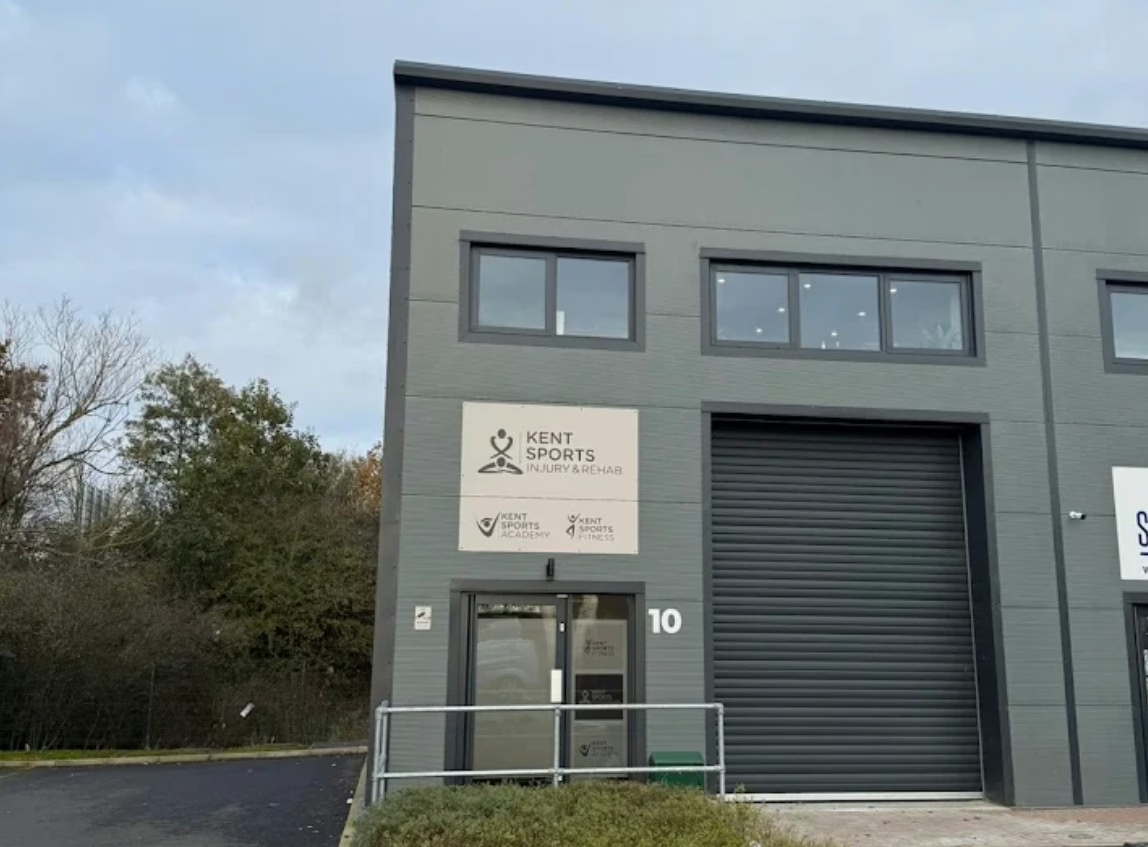
Ashford: Private Microsuction Ear Wax Removal in Ashford Tn24
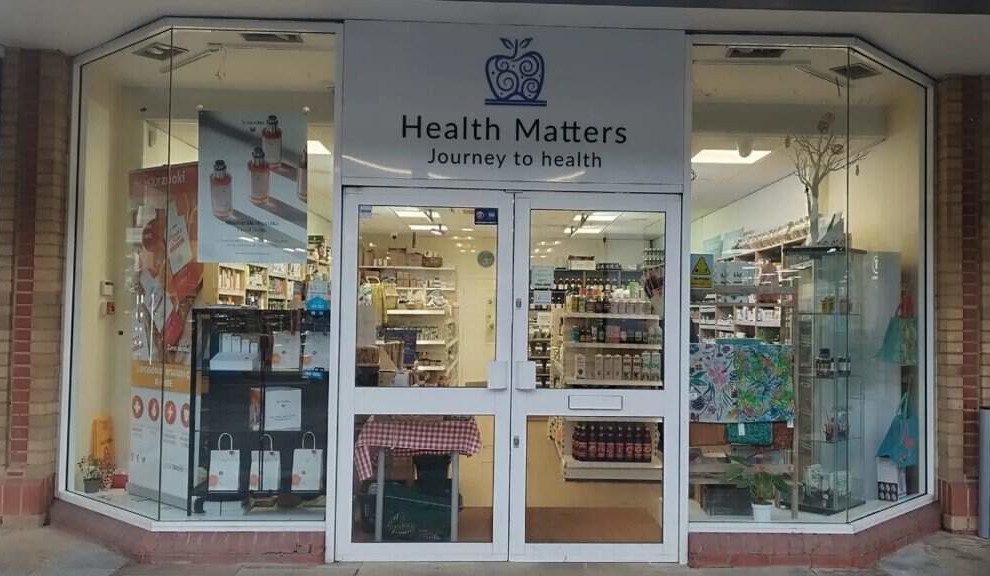
Barnet: Private Microsuction Ear Wax Removal in Barnet En5
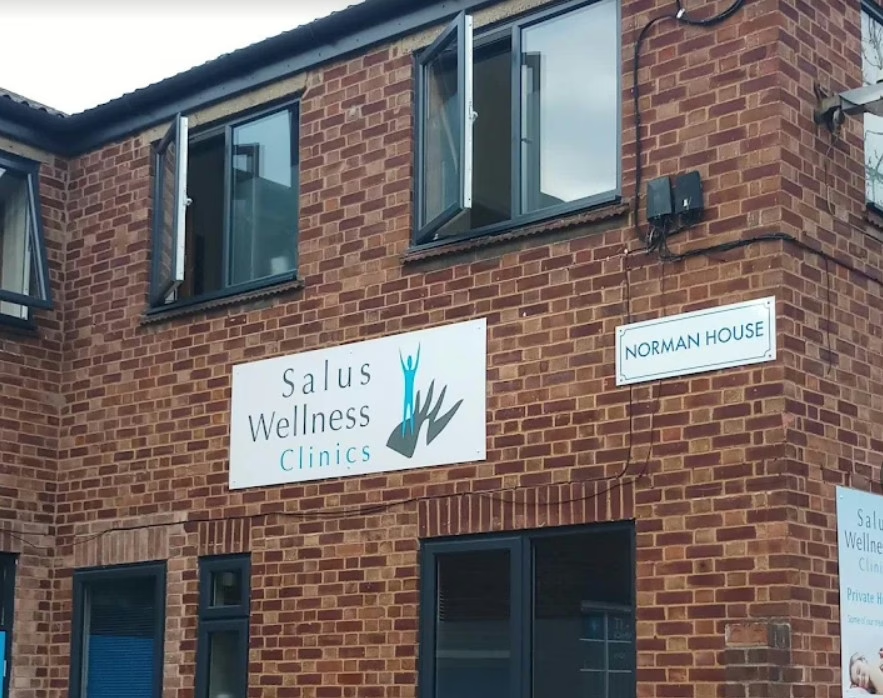
Cambridge: Private Microsuction Ear Wax Removal in Cambridge Cb2
Colindale: Private Microsuction Ear Wax Removal in North West London Nw4
Ealing: Private Microsuction Ear Wax Removal in Ealing W5

East Finchley: Private Microsuction Ear Wax Removal in East Finchley N2
Edgware: Private Microsuction Ear Wax Removal in North London Nw4

Enfield: Private Microsuction Ear Wax Removal in Enfield En1
Finchley: Private Microsuction Ear Wax Removal in Finchley North London
Hastings: Private Microsuction Ear Wax Removal in Hastings Tn34
Hendon: Private Microsuction Ear Wax Removal in North West London Nw4
Hythe: Private Microsuction Ear Wax Removal in Hythe Ct21
Kingston: Private Microsuction Ear Wax Removal in Kingston-Upon-Thames Kt6
Mill Hill: Private Microsuction Ear Wax Removal in North West London Nw4

Milton Keynes: Private Microsuction Ear Wax Removal Mk in Bucks Mk2

Muswell Hill: Private Microsuction Ear Wax Removal in Muswell Hill N2

Oxford: Private Microsuction Ear Wax Removal in Oxford Ox2
Reading: Private Microsuction Ear Wax Removal in Reading Rg30

St Albans – Private Microsuction Ear Wax Removal in St Albans Al1
Surbiton: Private Microsuction Ear Wax Removal in Surbiton Kt6

Watford: Private Microsuction Ear Wax Removal in Watford Wd3

Welwyn Garden City: Private Microsuction Ear Wax Removal in Welwyn Al8
Why Clear Language Matters in Private Healthcare Pages
Clear language is a major part of trust in private healthcare content. People searching for ear wax removal may already feel some discomfort or frustration, so they need pages that answer questions quickly and without clutter. That is why the best clinic pages use plain English, direct location references and specific treatment terms. They avoid vague claims and instead explain the service in a way that makes sense to patients, carers and search engines alike. In practice, that means saying what the clinic does, where it is, and what kind of access or transport options are available.
Clear copy also supports inclusion. Not every visitor will know the difference between microsuction and irrigation, or understand local building names at a glance. A well-written page reduces the learning burden by explaining the service simply and giving enough context for the visitor to act. In the context of the Medical Hub, that makes the content more useful for people who need help now, rather than research-heavy content that takes too long to interpret. Straightforward language is not plain for the sake of it, it is part of good patient communication.
Simple Writing Principles That Help Patients
- Use direct terms such as ear wax removal, microsuction and audiologist, because readers are more likely to understand the service immediately.
- Include location details that are easy to recognise, such as street names, stations or local landmarks, rather than relying only on internal building references.
- Explain access notes in full, so readers know whether the clinic is on the ground floor, has a lift or provides disabled parking.
- Keep sentences focused on one idea at a time, which helps busy users scan the page and find the information they need.
- Write for real patients first, while keeping enough structure and specificity for search visibility and answer engine use.